
Kelp is a magical website organizer for busy people
Install Kelp to leave tags and folders behind, and switch to an organization system that adapts to the real world.
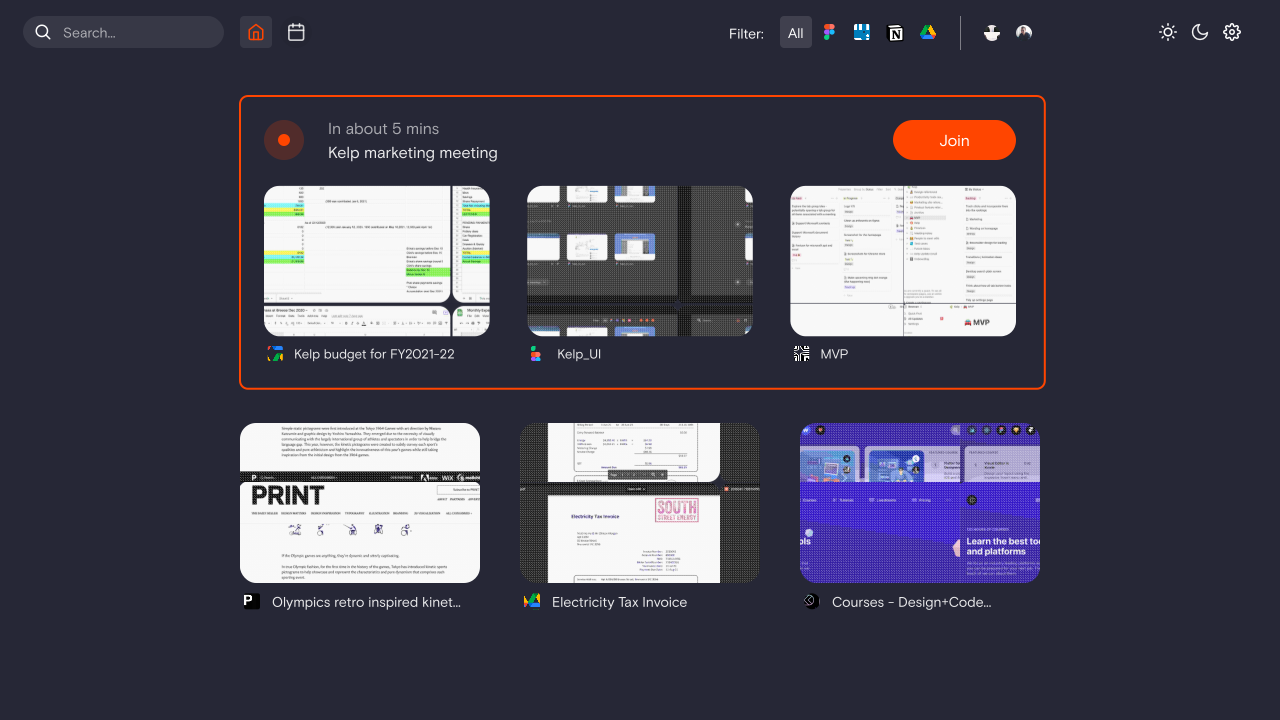
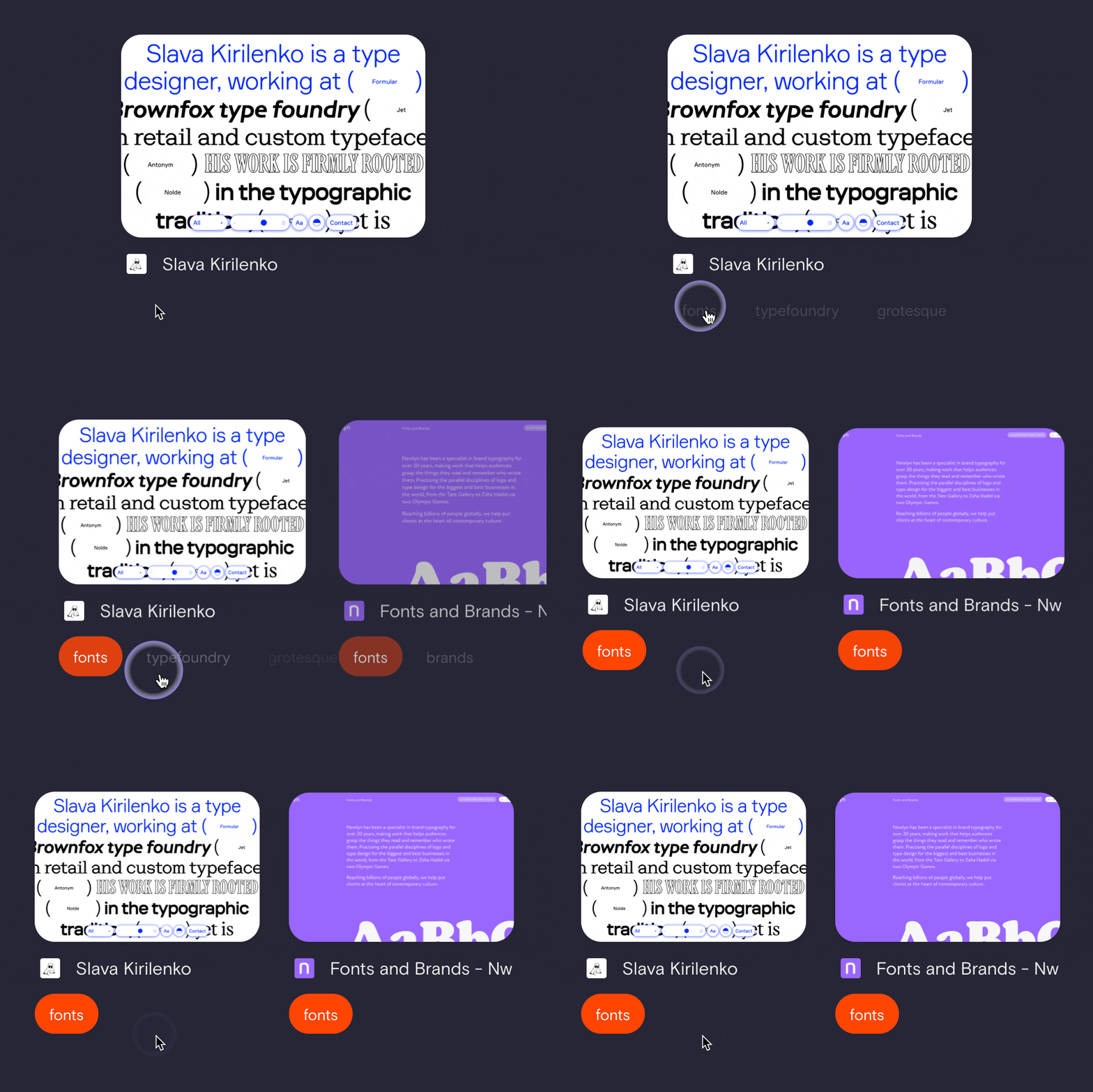
Smart tags automatically group web pages

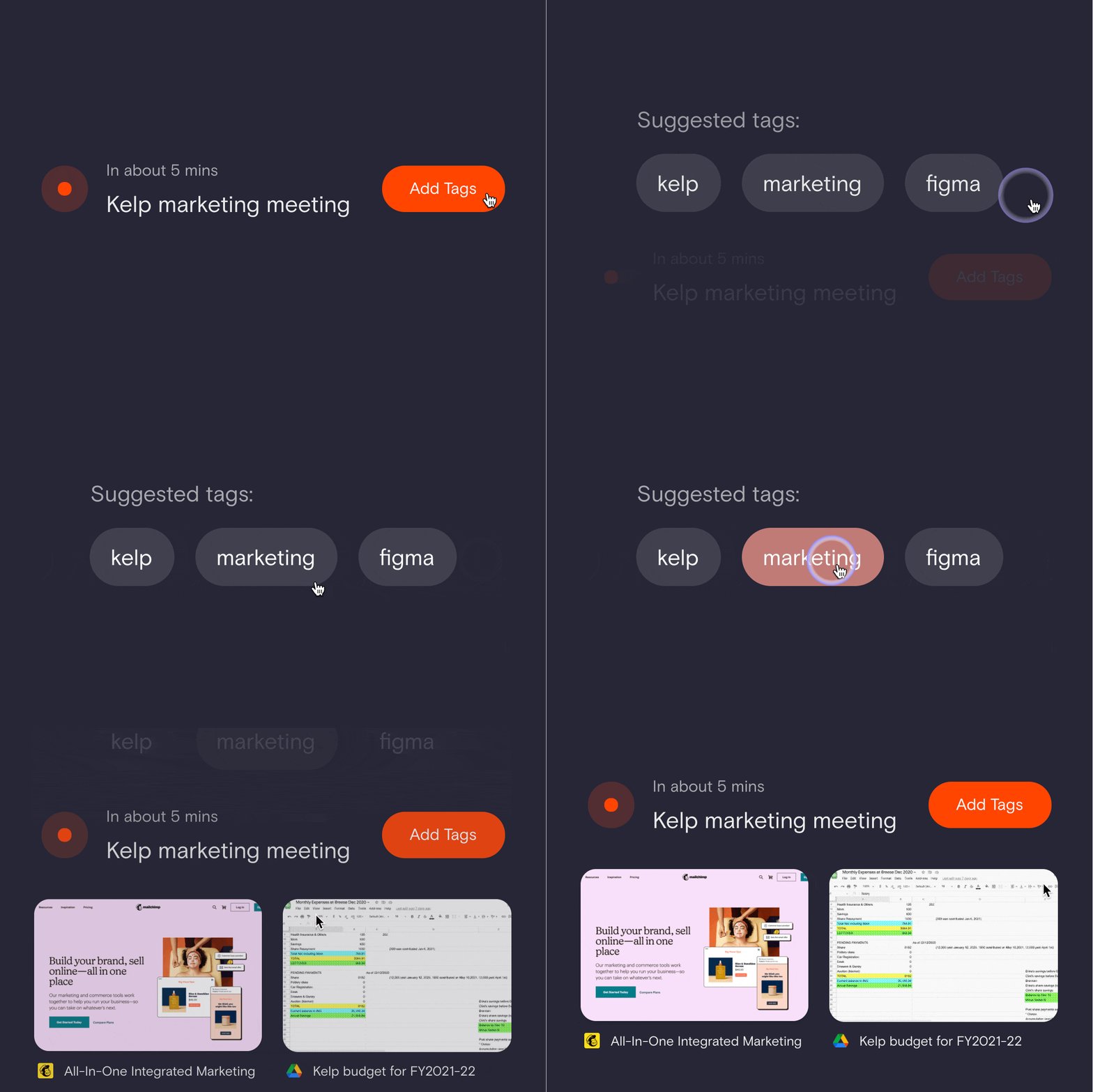
Associate web pages with meetings
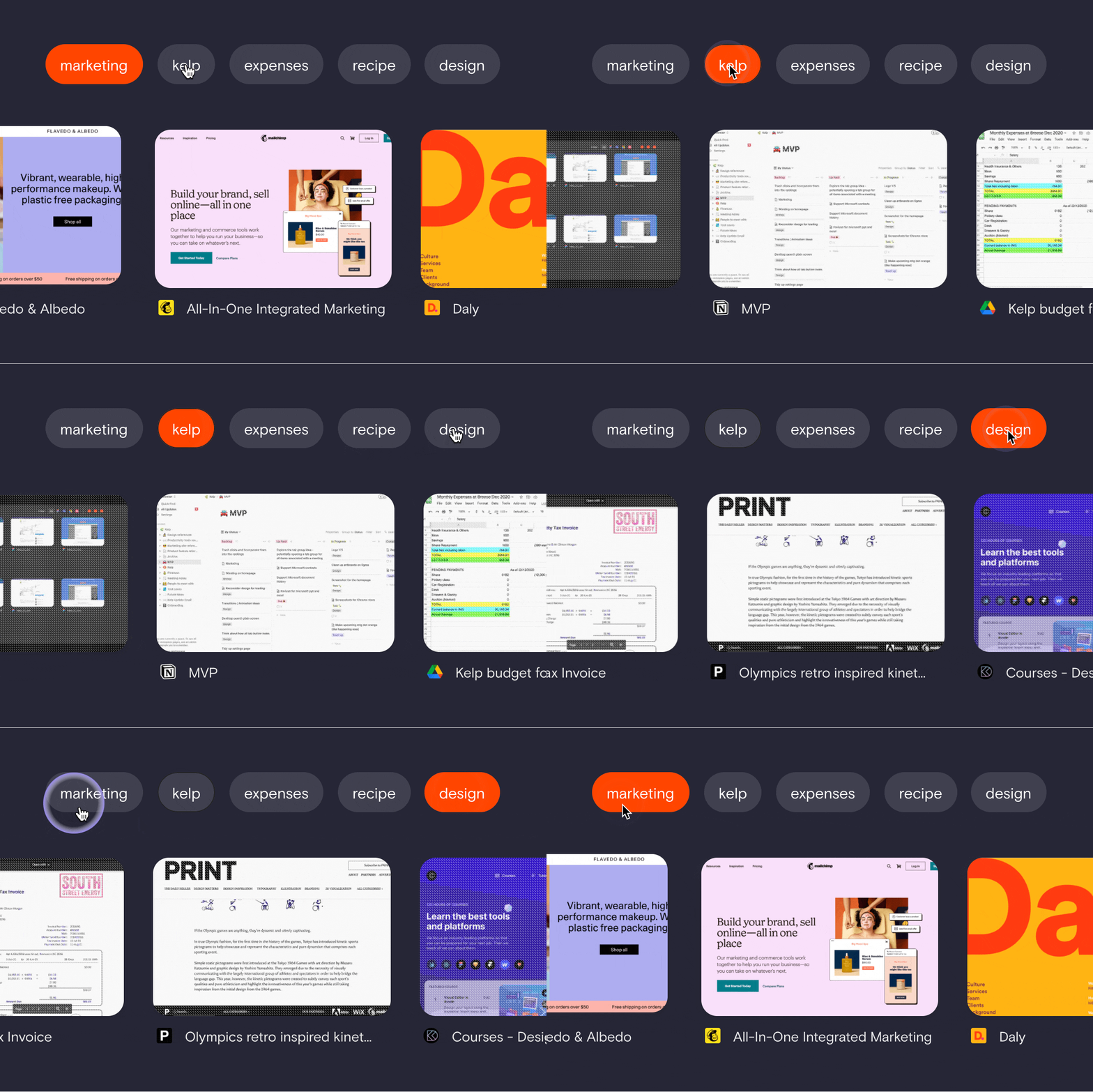
Easily find what you are looking for
Made for humans
Kelp meets you where you are. It doesn’t ask you to change how you organize information or collaborate.

Your data is your data
Kelp does not store your passwords or personal data. We take security seriously and apply experience from e-commerce, and healthcare data security. Kelp’s security practices include but are not limited to: static code analysis, static dependency checking, web vulnerability scanning, end-to-end encryption, and a bug bounty program.
- 💻Kelp is a browser extension that runs entirely on your computer
- 🛑Kelp does not send your data to third parties
- 🔐Kelp does not record your email or Google Profile
- 🛤Kelp does not include analytics or tracking tools
Ready to get started?
- 🎨Designed for people with too many meetings
- 🗝Secure - Kelp does not store your data
- 🪞Active & transparent development
- 🦄Independently bootstrapped
- 🏎Fast and easy to use